
Kidney Care and Treatment in Flagstaff, AZ
Healthy kidneys play an essential role in filtering waste, balancing fluids, regulating blood pressure, and supporting overall wellness. When kidney problems develop, early diagnosis and treatment can help prevent complications and protect long-term kidney function. At Flagstaff Surgical Associates, our experienced urology team provides comprehensive kidney evaluation and treatment in Flagstaff, AZ for a wide range of kidney conditions.
What Do the Kidneys Do?
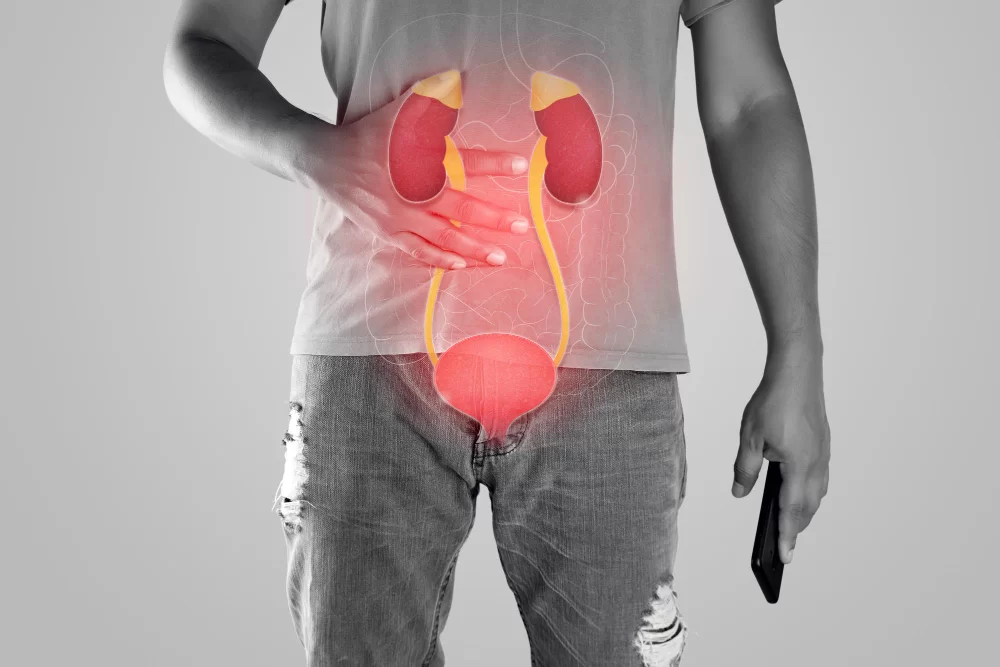
The kidneys are two bean-shaped organs located on either side of the spine just below the rib cage. Every day they filter large amounts of blood, removing waste products and excess fluid while maintaining healthy electrolyte and mineral balance.
The kidneys also help:
- Regulate blood pressure
- Produce hormones involved in red blood cell production
- Maintain proper hydration
- Balance sodium, potassium, and other electrolytes
- Support bone health through vitamin D activation
When kidney function becomes impaired, waste products can accumulate in the body and lead to serious health complications if left untreated.
Common Kidney Conditions
Our urology specialists diagnose and treat numerous kidney disorders, including:
- Kidney stones
- Kidney infections
- Kidney cysts
- Hydronephrosis
- Kidney obstruction
- Blood in the urine
- Kidney tumors
- Congenital kidney abnormalities
- Recurrent urinary tract infections affecting the kidneys
Patients experiencing urinary symptoms may also require evaluation for related urinary issues or urinary tract infections.
Kidney Stone Symptoms
Kidney stones are one of the most common kidney conditions treated by urologists. Small stones may pass naturally, while larger stones can block urine flow and cause severe pain.
Common symptoms include:
- Severe pain in the side or back
- Pain that radiates toward the groin
- Blood in the urine
- Nausea and vomiting
- Painful urination
- Frequent urination
- Cloudy or foul-smelling urine
- Fever if infection develops
Any kidney stone accompanied by fever, chills, or difficulty passing urine should be evaluated immediately.
Signs of Kidney Disease
Many kidney conditions develop gradually and produce few symptoms during the early stages. As kidney function declines, patients may notice:
- Fatigue
- Swelling of the hands, feet, or ankles
- Changes in urination
- High blood pressure
- Blood in the urine
- Persistent flank pain
- Loss of appetite
- Nausea
- Difficulty concentrating
Because these symptoms may be associated with many medical conditions, proper evaluation is important before treatment begins.
How Are Kidney Problems Diagnosed?
Our providers begin by reviewing your symptoms, medical history, medications, family history, and overall health. Diagnostic testing may include:
- Urinalysis
- Urine culture
- Blood testing
- Kidney function laboratory testing
- CT scan
- Ultrasound imaging
- X-rays
- MRI when appropriate
- Cystoscopy in select cases
These studies help identify stones, infections, blockages, tumors, cysts, and abnormalities affecting kidney function.
Kidney Stone Treatment
Treatment depends on the stone’s size, location, composition, and symptoms.
Options may include:
- Observation with increased hydration
- Pain management
- Medication to help pass the stone
- Shock wave lithotripsy
- Ureteroscopy
- Percutaneous nephrolithotomy
- Surgical stone removal
The least invasive treatment appropriate for the patient’s condition is recommended whenever possible.
Treatment for Other Kidney Conditions
Treatment varies according to the diagnosis and severity of the condition.
Care may include:
- Antibiotics for kidney infections
- Drainage of urinary obstruction
- Treatment of kidney cysts
- Monitoring small kidney masses
- Robotic kidney surgery when indicated
- Referral for nephrology care when appropriate
Patients requiring minimally invasive procedures may also benefit from our robotic surgery services depending on their diagnosis.
Protecting Kidney Health
Several healthy habits may reduce the risk of kidney disease and kidney stones.
Recommendations include:
- Drink adequate water daily
- Maintain healthy blood pressure
- Control diabetes
- Limit excessive sodium intake
- Maintain a healthy weight
- Avoid smoking
- Exercise regularly
- Take medications as prescribed
- Attend routine medical examinations
Early diagnosis remains one of the most effective ways to preserve kidney function.
Contact Flagstaff Surgical Associates at (928) 773-2222 to schedule a kidney evaluation in Flagstaff, AZ .
Kidney Care FAQs
When should I see a urologist for kidney pain?
Kidney pain, particularly when accompanied by fever, blood in the urine, nausea, vomiting, or difficulty urinating, should be evaluated promptly.
Can kidney stones go away without surgery?
Yes. Many small kidney stones pass naturally with hydration, medication, and observation. Larger stones or stones causing blockage often require treatment.
What causes kidney stones?
Kidney stones develop when minerals in the urine become concentrated and form crystals. Dehydration, diet, genetics, and certain medical conditions can increase the risk.
How are kidney infections treated?
Kidney infections are usually treated with antibiotics. Severe infections may require hospitalization or additional procedures if urine flow is blocked.
Can kidney disease develop without symptoms?
Yes. Early kidney disease often causes few or no noticeable symptoms, which is why routine medical evaluations and laboratory testing are important for patients at increased risk.
How can I reduce my risk of kidney stones?
Staying well hydrated, limiting sodium, maintaining a healthy weight, and following dietary recommendations based on your stone type may help reduce recurrence.
What is the difference between a nephrologist and a urologist?
A nephrologist primarily manages medical kidney diseases, while a urologist diagnoses and treats surgical and structural conditions involving the kidneys, urinary tract, bladder, and male reproductive system.