
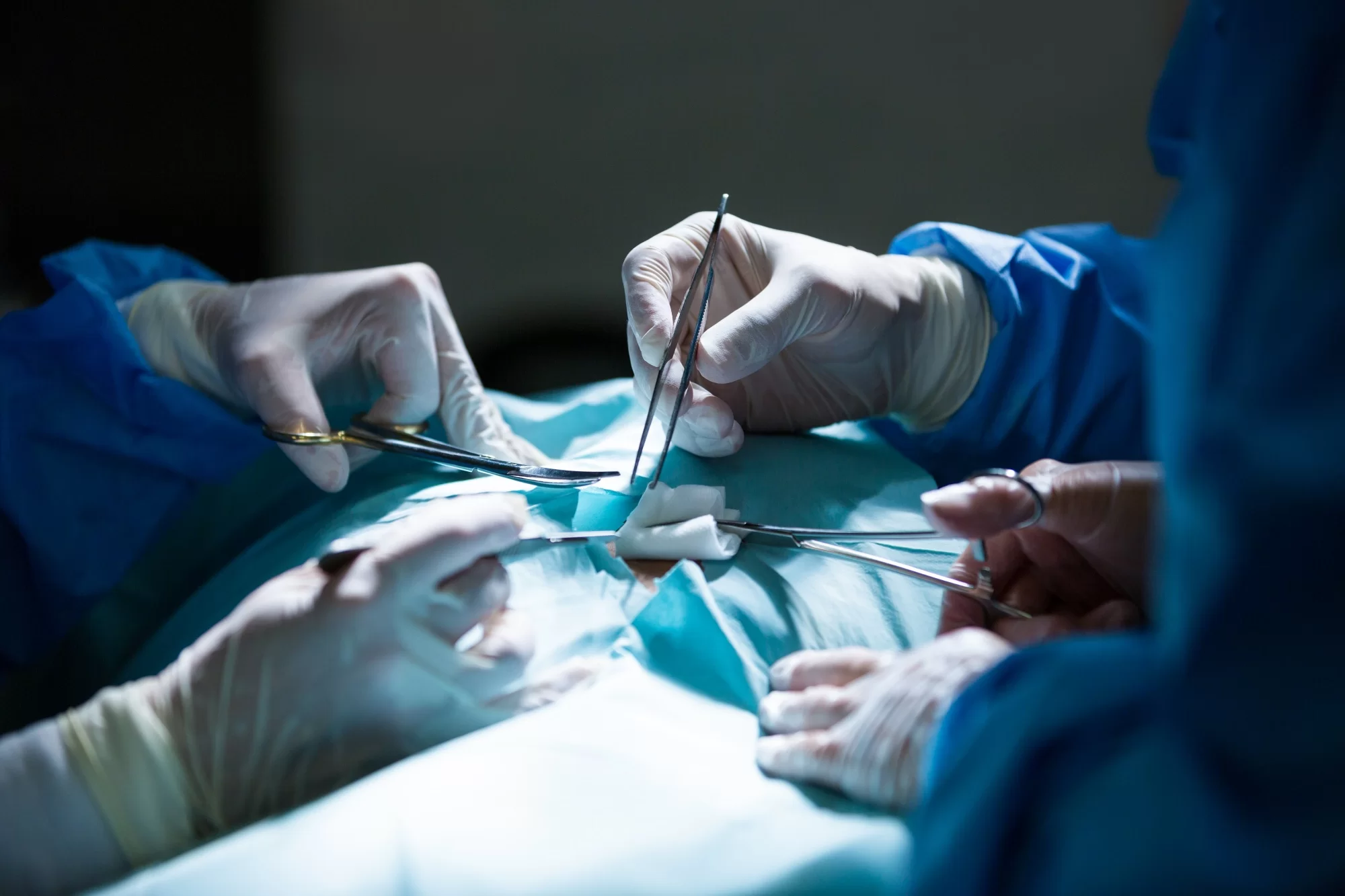
Robotic Surgery in Flagstaff, AZ
At Flagstaff Surgical Associates, our board-certified surgeons use the da Vinci® surgical system to perform qualifying procedures with enhanced precision, visualization, and control. Robotic surgery allows many operations to be completed through small incisions, which may help reduce tissue disruption and support a more comfortable recovery. Our surgical team provides advanced robotic surgery in Flagstaff, AZ for patients requiring prostate, kidney, adrenal, and other procedures.
What Is Robotic Surgery?
Robotic surgery is an advanced form of minimally invasive surgery in which a specially trained surgeon controls robotic instruments from a console in the operating room. The robotic system does not operate independently or make decisions. Every movement is directed by the surgeon throughout the procedure.
The da Vinci surgical system includes a magnified, high-definition 3D camera and small wristed instruments designed to move with a greater range of motion than traditional laparoscopic tools. The system translates the surgeon’s hand movements into precise movements inside the patient’s body.
This technology may be particularly useful when a procedure requires careful work within a small or difficult-to-access area.
How Does the da Vinci Surgical System Work?
During robotic surgery, the surgeon sits at a nearby console and views the surgical area through a magnified 3D display. The system provides a detailed view of the surrounding anatomy while the surgeon controls each instrument.
The da Vinci system may provide:
- Magnified, high-definition 3D visualization
- Small instruments with a wide range of motion
- Precise translation of the surgeon’s hand movements
- Improved access to confined surgical areas
- Greater control during delicate portions of a procedure
The operating surgeon remains fully responsible for every step of the procedure. The robotic instruments only move when directed by the surgeon.
What Procedures Can Be Performed With Robotic Surgery?
The surgeons at Flagstaff Surgical Associates may use robotic-assisted techniques for several urologic and general surgical procedures. Whether robotic surgery is appropriate depends on the diagnosis, medical history, anatomy, previous operations, and overall treatment goals.
Procedures may include:
Robotic Prostatectomy
A prostatectomy involves the partial or complete removal of the prostate gland. It may be recommended for qualifying patients with prostate cancer or severe prostate enlargement.
Robotic-assisted prostatectomy allows the surgeon to work through small abdominal incisions while carefully separating the prostate from nearby nerves, blood vessels, and urinary structures. Patients diagnosed with cancer can learn more about available prostate cancer treatment in Flagstaff.
Robotic Nephrectomy
A nephrectomy involves removing part or all of a kidney. The procedure may be necessary when a patient has a suspicious kidney mass, kidney cancer, severe damage, or another condition that prevents the kidney from functioning properly.
A partial nephrectomy removes the abnormal tissue while preserving as much healthy kidney tissue as possible. A radical nephrectomy removes the entire kidney and may also involve nearby tissue, depending on the diagnosis.
The da Vinci system may allow the surgeon to use Firefly® fluorescence imaging to evaluate blood flow during certain kidney procedures. Learn more about our kidney care and treatment options.
Robotic Pyeloplasty
Pyeloplasty is reconstructive surgery performed to correct a blockage where the kidney connects to the ureter. This area is known as the ureteropelvic junction.
A blockage may prevent urine from draining properly from the kidney into the bladder. Over time, this can cause pain, urinary infections, kidney swelling, or reduced kidney function.
During robotic pyeloplasty, the surgeon removes or repairs the narrowed area and reconnects the healthy portions of the urinary tract to improve drainage.
Robotic Adrenalectomy
An adrenalectomy is the surgical removal of one adrenal gland. The adrenal glands are located above the kidneys and produce hormones that help regulate blood pressure, metabolism, stress responses, and other body functions.
Adrenal surgery may be recommended when a gland contains a tumor or produces excessive hormones. Most adrenal masses are not cancerous, but they may still cause significant health concerns.
Robotic General Surgery Procedures
Robotic technology may also be used for qualifying general surgery procedures involving the abdomen. Depending on the condition, this may include certain hernia, gallbladder, or other abdominal operations.
Your surgeon will determine whether a robotic, laparoscopic, or open approach is most appropriate for your individual procedure.
What Happens During Robotic Surgery?
Before surgery, the medical team reviews the procedure, anesthesia plan, medications, fasting requirements, and recovery instructions. Most robotic procedures are performed under general anesthesia, which means the patient remains asleep throughout the operation.
After anesthesia is administered, the surgeon makes several small incisions near the treatment area. A camera and robotic instruments are inserted through these openings.
The surgeon then:
- Views the surgical area through the magnified 3D camera
- Controls the robotic instruments from the operating console
- Completes the necessary removal, repair, or reconstruction
- Removes the instruments
- Closes the incisions
The length of the procedure depends on the type and complexity of surgery being performed.
What Are the Potential Benefits of Robotic Surgery?
Robotic surgery combines the benefits of minimally invasive surgery with enhanced instrument movement and visualization.
Potential benefits compared with traditional open surgery may include:
- Smaller incisions
- Less disruption to surrounding tissue
- Reduced blood loss
- Less postoperative discomfort
- Lower risk of certain wound complications
- Shorter hospital stay for some procedures
- Faster return to routine activities
- Smaller scars
These benefits are not guaranteed, and some patients may still require open surgery. Results depend on the procedure, diagnosis, medical history, and individual response to treatment.
Is Robotic Surgery Better Than Laparoscopic Surgery?
Both robotic and traditional laparoscopic surgery use small incisions and a camera to complete procedures inside the body. The main difference is how the instruments are controlled.
During standard laparoscopy, the surgeon holds and operates long instruments directly. During robotic surgery, the surgeon controls articulated instruments from a console.
Robotic instruments may offer additional flexibility and range of motion, while the 3D camera may provide enhanced depth perception. However, robotic surgery is not automatically the best option for every patient or every operation.
The surgeon recommends an approach based on safety, expected results, surgical complexity, and the patient’s individual needs.
Who Is a Candidate for Robotic Surgery?
A patient’s eligibility depends on the condition being treated and overall health. Factors considered during the evaluation may include:
- The type and stage of the condition
- The location and complexity of the procedure
- Previous abdominal or pelvic surgery
- Current medications
- Heart and lung health
- Body anatomy
- Bleeding or clotting concerns
- The potential need for open surgery
Some patients with extensive scar tissue, advanced disease, or complex medical conditions may benefit from another surgical approach.
Can Robotic Surgery Be Converted to Open Surgery?
Yes. Although the surgeon may begin with a robotic approach, patient safety always comes first. An operation may need to be converted to traditional open surgery if unexpected bleeding, scar tissue, anatomy, or another complication makes minimally invasive treatment unsafe.
Your surgeon will explain this possibility during the preoperative consultation.
Recovery After Robotic Surgery
Recovery depends on the procedure performed, the patient’s health, and whether any complications occur. Some procedures are completed on an outpatient basis, while others require a hospital stay.
Temporary postoperative symptoms may include:
- Incision soreness
- Abdominal swelling
- Fatigue
- Temporary appetite changes
- Constipation
- Discomfort caused by gas used during surgery
Patients receive individualized instructions regarding wound care, medication, diet, lifting restrictions, driving, exercise, and follow-up appointments.
Contact the surgical team promptly for fever, worsening pain, heavy bleeding, persistent vomiting, difficulty urinating, breathing problems, or signs of an incision infection.
Preparing for Robotic Surgery
Preparation instructions vary according to the operation. Patients may be asked to:
- Complete blood testing or medical imaging
- Attend a preoperative medical evaluation
- Temporarily adjust certain medications
- Stop eating and drinking at a specified time
- Arrange transportation home
- Plan for help during the first days of recovery
Do not stop blood thinners or other prescription medications unless instructed by the surgical or prescribing provider.
Contact Flagstaff Surgical Associates at (928) 773-2222 to schedule a robotic surgery consultation in Flagstaff, AZ .
Robotic Surgery FAQs
Does the robot perform the surgery by itself?
No. The robotic system cannot perform surgery independently. A trained surgeon controls every movement of the camera and surgical instruments throughout the procedure.
What procedures can be performed with robotic surgery?
Robotic technology may be used for qualifying prostate, kidney, ureter, adrenal, hernia, gallbladder, and other abdominal procedures. Eligibility depends on the patient’s diagnosis and overall health.
Is robotic surgery less invasive than open surgery?
Robotic surgery is generally performed through several small incisions rather than one large incision. This may reduce tissue disruption, blood loss, discomfort, and recovery time for qualifying patients.
Will I need to stay in the hospital after robotic surgery?
The length of stay depends on the procedure and individual recovery. Some patients go home the same day, while more complex operations may require one or more nights in the hospital.
How long does recovery take after robotic surgery?
Recovery varies according to the procedure, medical history, and type of work or activity the patient performs. Many patients return to routine activities sooner than they would after open surgery, but lifting and exercise restrictions still apply.
Can robotic surgery be changed to open surgery during the operation?
Yes. The surgeon may convert to open surgery if unexpected anatomy, bleeding, scar tissue, or another concern makes the robotic approach unsafe.
Is every patient a candidate for robotic surgery?
No. Previous surgery, complex anatomy, advanced disease, severe medical conditions, or other factors may make laparoscopic or open surgery more appropriate. A surgical consultation is necessary to determine the safest approach.